

Introduction
Robbie LaMattina cuts through the clutter with a concise roadmap of nonprofit fundraising best practices tailored for mission-driven organizations. You’ll discover evidence-based tactics that elevate donor engagement, optimize major gifts, and scale giving programs. This intro sets the stage for clear, actionable steps you can implement immediately.
Each takeaway highlights a cornerstone of sustainable fundraising—from data-driven systems to multi-channel outreach—so your team hits the ground running. By focusing on practical examples and real-world scenarios, you’ll avoid one-size-fits-all strategies and adopt tailored methods that resonate with donors and maximize impact.
These four key insights matter because they form the foundation of a resilient fundraising engine. When you align technology, storytelling, stewardship, and outreach channels, you unlock higher retention rates, bigger gifts, and stronger community support.
4 Key Takeaways
- Data-Driven Donor Management
- Compelling Storytelling and Emotional Connection
- Multi-Channel Fundraising Framework
- Transparent Impact Reporting
1. Donor Relationship Management (CRM) Systems
Nonprofit fundraising best practices center on strong donor relationships. Robbie LaMattina emphasizes that a tailored CRM system streamlines data and boosts engagement.
Key Takeaways
- Centralize donor interactions
- Track giving history precisely
- Personalize outreach at scale
- Improve retention and stewardship
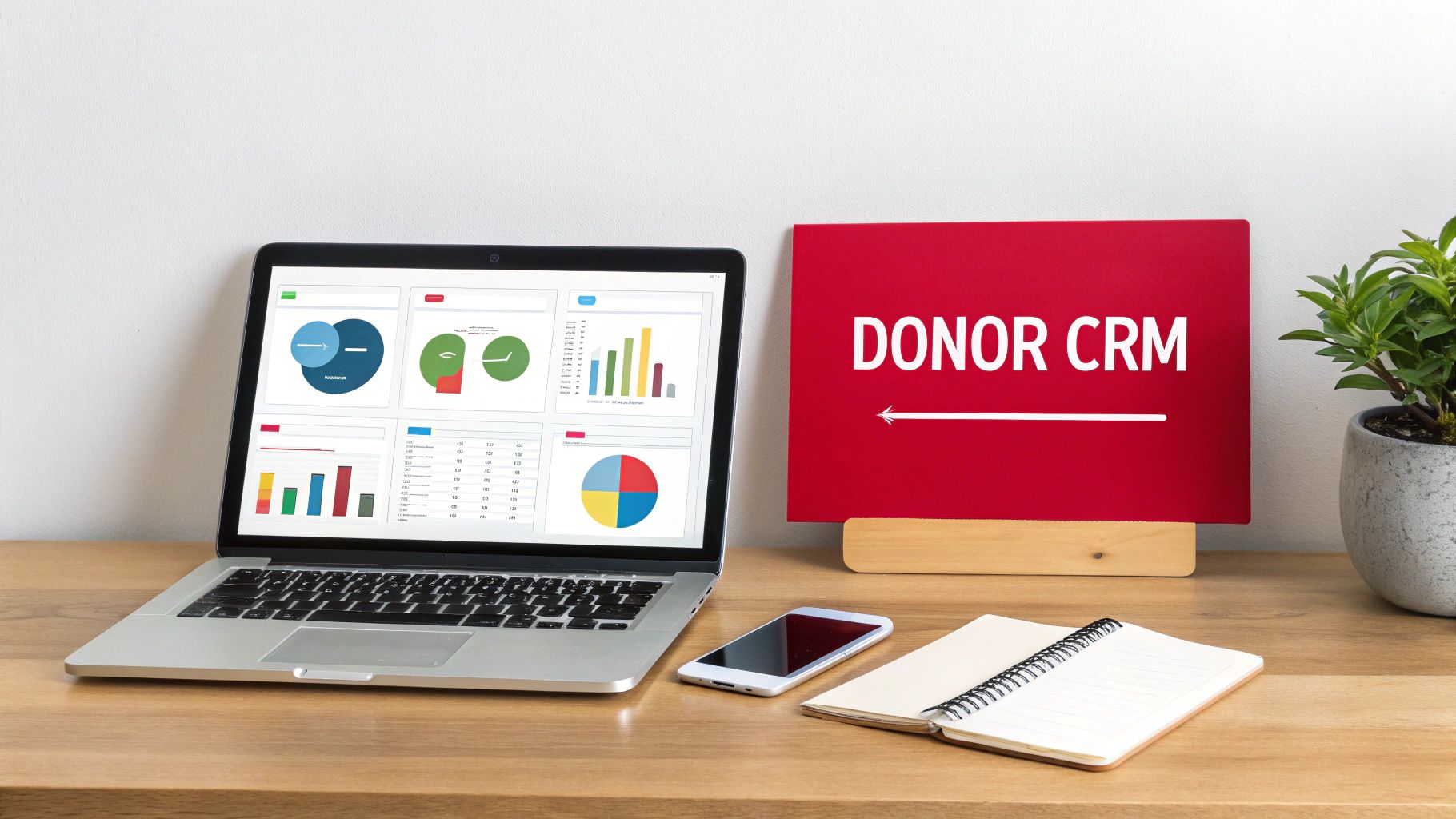
What is a Nonprofit CRM System?
A CRM platform consolidates donor data in one database. It tracks preferences, engagement patterns, and giving history.
Successful Implementations
Salesforce Nonprofit Cloud powers thousands of organizations worldwide. Bloomerang and Blackbaud solutions serve faith-based and mission-driven groups with proven ROI. For example, a Massachusetts-based behavioral health nonprofit increased repeat donations by 20% within six months of deploying Bloomerang.
“A nonprofit CRM is the backbone of donor-centric fundraising” – Robbie LaMattina
Actionable Tips
- Start with core features such as contact records and gift tracking
- Establish data governance guidelines before rollout
- Train development and program staff on CRM best practices
- Use built-in reports to spot funding trends quickly
- Schedule quarterly audits to maintain data quality
When and Why to Adopt
Organizations seeking to scale donor acquisition and retention should invest in a CRM. This approach ensures personalized communication and strategic cultivation of long-term relationships.
Frequently Asked Questions
Q: How much does a nonprofit CRM cost?
A: Pricing varies by vendor; Salesforce Nonprofit Cloud often starts with discounted tiers, while Bloomerang offers transparent tiered plans.
Q: Can small nonprofits use these systems?
A: Yes. Many platforms offer packages for budgets of all sizes with modular upgrades as you grow.
2. Storytelling and Emotional Connection
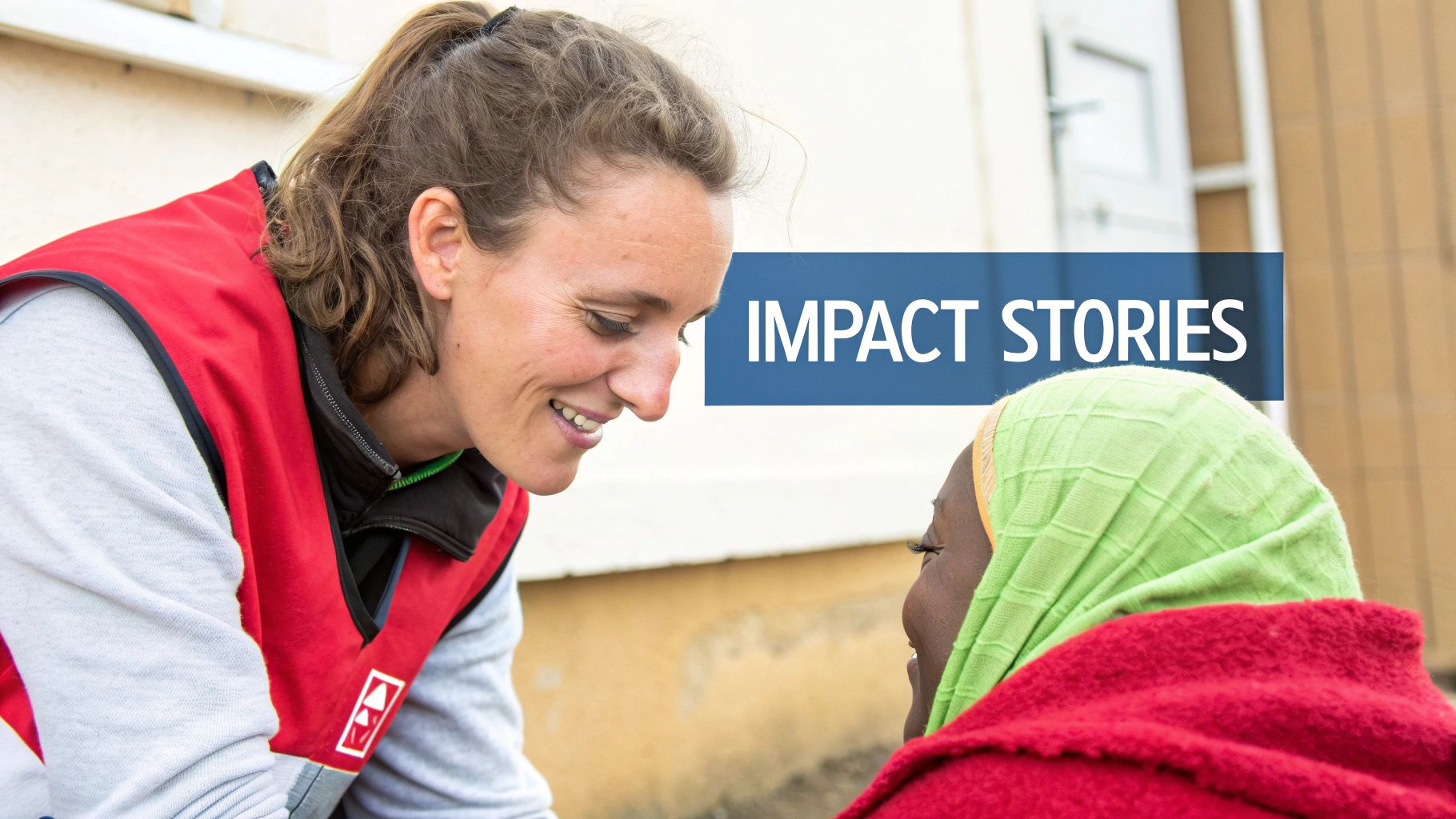
Storytelling and emotional connection rank among the top nonprofit fundraising best practices. By weaving compelling narratives, organizations humanize causes and draw donors into real-life impact. Robbie LaMattina highlights that a powerful story can turn passive supporters into lifelong champions.
Key Takeaways
- Use real beneficiary stories to evoke empathy
- Combine data with emotion for credibility
- Leverage video, photos, and written formats
- Refresh narratives regularly to sustain engagement
What is Storytelling and Emotional Connection?
Storytelling and emotional connection involve sharing authentic accounts of beneficiaries, volunteers, or programs to forge an emotional bond. This method transforms abstract mission statements into relatable human experiences. It taps into empathy, builds trust, and motivates donors to contribute.
Successful Implementations
- Charity: Water’s impact stories showcase clean-water projects with vivid photography
- TOMS Shoes’ “One for One” customer narratives drive recurring purchases
- St Jude Children’s Research Hospital features patient testimonials on its website
- World Vision uses child sponsorship profiles to personalize giving
“A good story brings a donor into the heart of your mission” – Robbie LaMattina
Actionable Tips
- Feature diverse voices across programs and geographies
- Obtain written consent and respect privacy guidelines
- Pair emotional anecdotes with specific impact numbers
- Use short videos, photo essays, and blog posts
- Rotate and update stories every quarter
- Link each story to a clear donation call to action
When and Why to Use
Adopt storytelling when launching major campaigns or seeking deeper donor engagement. It’s ideal for behavioral health nonprofits aiming to illustrate client transformations. Emotional narratives boost retention by making donors feel part of meaningful change.
Frequently Asked Questions
Q: How do I select the best story subjects?
A: Prioritize authenticity, diversity, and clear outcome examples. Choose individuals whose experiences align with strategic goals.
Q: What is the optimal story length?
A: Aim for 200–400 words for written pieces, 60–90 seconds for videos. Keep content concise to maintain donor attention.
3. Major Donor Cultivation and Stewardship
Major donor cultivation and stewardship is a cornerstone of nonprofit fundraising best practices for mission-driven organizations. Robbie LaMattina emphasizes that investing in personalized engagement and systematic follow-through turns high-capacity prospects into lifelong champions.

Key Takeaways
- Identify and profile high-capacity prospects with data and research
- Develop tailored engagement plans with clear milestones
- Assign dedicated staff for one-on-one cultivation and stewardship
- Celebrate donors publicly and provide exclusive involvement
What is Major Donor Cultivation and Stewardship?
Major donor cultivation is a strategic process that targets a small segment of supporters who give the majority of funding. It combines prospect research, personalized outreach, meaningful involvement opportunities, and systematic recognition. Stewardship ensures these donors feel valued, see impact, and remain engaged over time.
Successful Implementations
- Bill & Melinda Gates Foundation partners with grantees on co-created initiatives to deepen commitment.
- Harvard University’s capital campaign assigns senior leadership to personally cultivate six-figure donors, raising over $6 billion.
- A Midwest food bank launched a corporate partner stewardship program, boosting renewals by 30% in one year.
“Major donors give to people, not projects” – Penelope Burk
Actionable Tips
- Invest in professional prospect research tools like WealthEngine or DonorSearch
- Assign a relationship manager to each major donor portfolio
- Create clear cultivation timelines with check-ins and milestone events
- Offer meaningful board or volunteer roles tied to donor interests
- Publicly recognize contributions through newsletters and events
When and Why to Adopt
Organizations aiming to sustainably scale revenue should adopt this approach when a small donor segment controls a large funding share. Personalized stewardship builds trust, reduces attrition, and accelerates high-value gift cycles.
Frequently Asked Questions
Q: How do we identify major donor prospects?
A: Use wealth screening, affinity data, and referral networks to rank prospects by capacity and passion.
Q: What staff ratio is ideal for major donor portfolios?
A: Best practice is one dedicated officer per 50–75 major donors for effective one-on-one engagement.
4. Multi-Channel Fundraising Strategy
Robbie LaMattina highlights that nonprofit fundraising best practices emphasize diversification across channels to meet donors where they are and reduce dependency on a single revenue source. This multi-channel approach ensures a resilient funding model and broader engagement.

Key Takeaways
- Diversify revenue streams across direct mail, digital, events, grants and partnerships
- Coordinate consistent messaging for seamless donor experience
- Segment audiences by preferred communication channels
- Track channel-specific ROI to optimize future campaigns
What is a Multi-Channel Fundraising Strategy?
A multi-channel fundraising strategy uses several outreach methods in parallel. It blends direct mail, email, social media, peer-to-peer efforts, grant applications, live events and corporate partnerships. Donors receive coordinated asks via their favorite platforms for higher conversion.
Successful Implementations
American Red Cross’s integrated annual giving program combines direct mail, email sequences and Facebook fundraising to boost donor retention by 15%.
Doctors Without Borders merges emergency appeals with regular campaigns on Twitter and Instagram, raising both crisis and unrestricted funds.
Local community foundations often layer grant writing, donor events and major gift solicitation to sustain neighborhood mental health initiatives.
“A multi-channel approach ensures both stability and reach” – Robbie LaMattina
Actionable Tips
- Develop a master fundraising calendar to align all channels
- Use unified branding and messaging for coherence
- Segment donor lists by past behavior and channel preference
- Assign unique tracking codes or UTM tags per channel
- Optimize all digital content for mobile viewing
- Pilot new platforms with a small cohort before scaling
When and Why to Adopt
Organizations looking to scale beyond one or two revenue sources should adopt a multi-channel plan. This strategy reduces risk, leverages diverse donor habits and drives consistent growth in unpredictable funding environments.
Frequently Asked Questions
Q: How do I start building a multi-channel plan?
A: Audit current channels, map donor preferences, then schedule coordinated campaigns in a single calendar.
Q: What metrics should I track per channel?
A: Monitor open and conversion rates for email, click-throughs and engagement on social, gift counts for direct mail and cost-per-dollar raised overall.
5. Transparency and Impact Reporting
Nonprofit fundraising best practices hinge on consistent openness. Robbie LaMattina stresses that donors expect clear evidence of how contributions drive results. Transparency and Impact Reporting keeps supporters informed, accountable, and invested in your mission.
Key Takeaways
- Build donor trust through clear, regular updates
- Highlight both outcomes and challenges honestly
- Combine quantitative metrics with qualitative stories
- Offer accessible dashboards and public reports
What is Transparency and Impact Reporting?
Transparency and Impact Reporting is the process of sharing how donated funds are allocated and the outcomes achieved. It involves setting baseline metrics, tracking progress, and communicating both successes and lessons learned.
Successful Implementations
GiveWell publishes detailed charity evaluations with funding breakdowns and outcome analysis.
Charity Navigator rates nonprofits on financial health and governance transparency.
The Wikimedia Foundation releases annual reports with project metrics, donor breakdowns, and strategic goals.
Action Against Hunger offers program-level impact dashboards showing lives saved, nutrition improvements, and regional data.
“Transparency is the currency of trust in nonprofit fundraising” – Robbie LaMattina
Actionable Tips
- Establish baseline metrics before program launch
- Use a mix of data: surveys, case studies, and dashboards
- Report both successes and challenges without spin
- Benchmark performance against peer organizations
- Publish updates at least quarterly
- Share learnings from setbacks to foster credibility
When and Why to Adopt
Organizations aiming to strengthen donor loyalty and demonstrate accountability should adopt transparency and impact reporting. This approach shows funders exactly how their contributions translate into real-world outcomes. Learn more about Transparency and Impact Reporting on domain.com: Learn more about Transparency and Impact Reporting on domain.com
Frequently Asked Questions
Q: How often should impact reports be updated?
A: At minimum quarterly, with an annual comprehensive report featuring in-depth analysis.
Q: Which metrics matter most in reporting?
A: Focus on SMART outcomes—specific, measurable, achievable, relevant, and time-bound—paired with qualitative beneficiary stories.
6. Peer-to-Peer and Grassroots Fundraising
Peer-to-peer and grassroots fundraising empowers supporters to raise funds on behalf of your nonprofit through personal networks. Robbie LaMattina highlights that this approach leverages existing relationships, driving new donor acquisition with minimal overhead.
Key Takeaways
- Activate volunteers as fundraisers
- Expand reach through personal social networks
- Increase engagement with low entry barriers
- Boost sustainability with recurring peer campaigns
What is Peer-to-Peer and Grassroots Fundraising?
This method invites your donors, volunteers, and advocates to create personal campaigns in support of your mission. They share fundraising pages, event registrations, and challenges across their networks to generate gifts and awareness.
Successful Implementations
• St. Jude Tug of War events unite communities in friendly competitions
• Movember’s global men’s health campaigns raised over $800 million since 2003
• Relay for Life mobilizes teams for community-based walks
• Platforms like Fundraise Up (https://fundraiseup.com) and Donorbox power streamlined peer campaigns
“Peer-to-peer fundraising unlocks authentic connections and steady growth” – Robbie LaMattina
Actionable Tips
- Provide easy-to-use, mobile-friendly platforms
- Create inspiration kits with storytelling prompts
- Offer social media templates and suggested messaging
- Recognize and reward top peer fundraisers publicly
- Follow up with fundraisers to share impact stories
- Lower minimum fundraising goals to encourage wider participation
- Launch team-based campaigns to foster healthy competition
When and Why to Adopt
Nonprofits aiming to tap into grassroots energy should adopt peer-to-peer strategies. This approach works best when you need rapid donor acquisition, community engagement, and cost-effective campaigns that scale organically.
Frequently Asked Questions
Q: How do you recruit peer fundraisers?
A: Start with your top volunteers and donors, send personalized invites, and provide clear instructions on campaign setup.
Q: Which platforms suit small nonprofits?
A: Fundraise Up and Donorbox offer free tiers and easy onboarding, making them ideal for limited budgets.
7. Recurring Giving and Membership Programs
Recurring giving and membership programs drive stable revenue streams by converting one-time donors into ongoing supporters. Robbie LaMattina emphasizes that this model yields higher lifetime value and deeper engagement.
Key Takeaways
- Create predictable revenue streams
- Increase donor lifetime value
- Strengthen supporter loyalty
- Simplify giving with automated payments
- Leverage behavioral economics defaults
What is Recurring Giving and Membership Programs?
A membership model invites donors to commit monthly or annually through automated payments. It transforms sporadic gifts into reliable funds and deepens relationships by delivering regular impact updates.
Successful Implementations
- Wikipedia’s monthly sustainer program engages global users in small recurring gifts
- National Public Radio’s membership model boosts listener loyalty with tiered perks
- The Nature Conservancy offers flexible giving levels and exclusive content
- Local animal shelters run “Monthly Protector” programs to secure ongoing care funding
“Recurring giving unlocks steady support by embedding your mission into donors’ routines,” – Robbie LaMattina
Actionable Tips
- Simplify signup with one-click, mobile-friendly forms
- Offer tiered membership levels with clear benefits
- Enable easy cancellation to build trust
- Send personalized monthly impact reports
- Celebrate subscription anniversaries with digital badges
- Prompt upgrades after milestone gifts
- Segment communications based on giving levels
- Use social proof and default options to guide decisions
When and Why to Adopt
Organizations seeking long-term financial stability should adopt recurring giving. This approach reduces revenue volatility, deepens donor engagement, and maximizes fundraising efficiency.
Learn more about Recurring Giving and Membership Programs on robertlamattina.net.
8. Grant Writing and Foundation Funding
Nonprofit fundraising best practices highlight grant writing and foundation funding as a cornerstone for mission-driven growth. Robbie LaMattina notes that strategic proposals open access to larger, multi-year awards.
Key Takeaways
- Identify foundations aligned with program goals
- Cultivate relationships with program officers early
- Craft data-driven, compelling proposals
- Systematically track deadlines and reporting requirements
What is Grant Writing and Foundation Funding?
Grant writing is the systematic process of researching, drafting, and submitting proposals to private, corporate, or government funders. Foundation funding provides substantial grants—often exceeding individual donations—that fuel program expansion and sustainability.
Successful Implementations
- Ford Foundation global giving programs support social justice initiatives in over 50 countries
- Bill & Melinda Gates Foundation funds health innovation and educational equity worldwide
- Local community foundation grants underwrite behavioral health outreach in underserved regions
- Government grants (e.g., NIH, NSF, HHS) back evidence-based treatment research and capacity building
“A winning grant proposal is a story backed by rigorous data” – Robbie LaMattina
Actionable Tips
- Build rapport with foundation officers well before deadlines
- Research funder priorities via annual reports and grant databases
- Align program objectives explicitly with funder guidelines
- Submit letters of inquiry to test project fit
- Use a centralized calendar to monitor deadlines and deliverables
- Develop in-house expertise or engage professional grant writers
When and Why to Adopt
Organizations aiming for large-scale impact and stable funding streams should prioritize grants. This approach is ideal for launching new programs requiring seed capital or expanding existing services with multi-year commitments.
Frequently Asked Questions
Q: How long does a grant review take?
A: Foundation reviews typically range from 8 to 16 weeks depending on complexity.
Q: Should I hire a grant writer?
A: Yes. Specialized expertise increases success rates by ensuring compliance and persuasive storytelling.
9. Volunteer Engagement and Advocacy
Volunteer engagement and advocacy are pillars in nonprofit fundraising best practices. Robbie LaMattina highlights that actively engaging volunteers turns supporters into authentic ambassadors who drive both outreach and revenue.
Key Takeaways
- Mobilize volunteers as mission advocates
- Convert engaged volunteers into donors and leaders
- Offer flexible, high- and low-commitment roles
- Track volunteer-to-donor conversion rates
What is Volunteer Engagement and Advocacy?
Volunteer engagement and advocacy involve recruiting passionate supporters to donate time, talent, and voice. These volunteers deepen community ties, raise awareness, and often evolve into major gift prospects. By integrating advocacy training with hands-on roles, nonprofits leverage personal networks to extend their mission.
Successful Implementations
Habitat for Humanity’s volunteer-led construction model mobilizes thousands annually, cutting project costs by up to 50%. Planned Parenthood’s volunteer advocacy networks have swayed local policy debates and secured funding wins. Meals on Wheels enlists senior volunteers to expand service reach while reducing staffing expenses. The Sierra Club’s grassroots volunteers power local conservation campaigns and broaden membership.
“Engaged volunteers are the best storytellers for your mission” – Robbie LaMattina
Actionable Tips
- Create flexible, scalable roles tailored to skill levels
- Provide thorough onboarding, training, and clear role descriptions
- Publicly recognize achievements with spotlights and certificates
- Show real-time impact through data dashboards and story updates
- Offer advancement pathways from volunteer to leadership roles
- Collect feedback regularly to refine the volunteer experience
- Monitor volunteer-to-donor conversion and segment for targeted outreach
When and Why to Adopt
Use this approach when you need authentic ambassadors to elevate fundraising and advocacy. Organizations aiming to reduce acquisition costs and deepen grassroots support should invest in volunteer engagement. This strategy drives long-term loyalty, diversifies income streams, and strengthens local influence.
Frequently Asked Questions
Q: How do I measure volunteer impact?
A: Track hours served, conversion to donors, advocacy actions taken, and overall fundraising uplift.
Q: Can small nonprofits manage large volunteer cohorts?
A: Yes. Start with clearly defined roles, simple management tools, and scaled onboarding processes.
10. Peer Benchmarking and Competitive Analysis
Nonprofit fundraising best practices emphasize the power of data-driven insights. Robbie LaMattina highlights that systematic peer benchmarking and competitive analysis uncover performance gaps and sector trends that drive smarter strategy.
Key Takeaways
- Compare key metrics with similar organizations
- Track fundraising success rates over multiple years
- Share findings across board and staff for collective insight
- Set realistic goals based on sector benchmarks
What is Peer Benchmarking and Competitive Analysis?
Peer benchmarking is the process of collecting and comparing data from organizations of similar size, mission, or geography. Competitive analysis adds context by evaluating fundraising tactics and success rates. Together they reveal opportunities to refine appeals, donor segments, and stewardship programs.
Successful Implementations
- Charity Navigator’s comparative ratings show donor retention and expense ratios side by side
- AFP benchmarking studies deliver median gift sizes and campaign ROI across regions
- Candid and GuideStar publish annual sector reports on giving trends
- Local nonprofit collaboratives share anonymized data to identify best practices
“Peer benchmarking uncovers hidden opportunities in plain sight” – Robbie LaMattina
Actionable Tips
- Focus on peers with similar budgets and service areas
- Collect data from multiple reputable sources for accuracy
- Analyze multi-year trends instead of single snapshots
- Engage board and staff in reviewing insights for buy-in
- Form peer learning groups for regular knowledge exchange
- Use benchmarks to set goals that reflect real performance
- Schedule annual reviews to update targets and tactics
When and Why to Adopt
Organizations aiming to stay current with sector shifts should embrace benchmarking. It ensures fundraising goals are achievable, competitive differentiation is clear, and resources are allocated effectively. Learn more about Peer Benchmarking and Competitive Analysis on robertlamattina.net
10-Point Comparison of Nonprofit Fundraising Best Practices
| Item | Implementation complexity | Resource requirements | Expected outcomes | Ideal use cases | Key advantages |
|---|---|---|---|---|---|
| Donor Relationship Management (CRM) Systems | High — setup, customization, training needed | Significant budget, IT support, trained staff, data governance | Centralized donor data, improved segmentation, higher retention | Scaling nonprofits needing personalized outreach and analytics | Automation, analytics, personalization at scale |
| Storytelling and Emotional Connection | Medium — ongoing content production workflow | Content creators, video/photo budget, consent processes | Strong emotional engagement, higher conversions and sharing | Awareness drives, donor acquisition, social campaigns | Memorable messaging that boosts donations and advocacy |
| Major Donor Cultivation and Stewardship | Medium–High — tailored plans and research | Senior staff time, prospect research tools, exclusive events | Large transformational gifts and long-term relationships | Capital campaigns, transformational initiatives, legacy giving | High revenue per donor; deep, lasting relationships |
| Multi-Channel Fundraising Strategy | High — coordination across channels and messaging | Diverse staff skills, integrated tech stack, content resources | Diversified revenue, broader reach, improved donor lifetime value | Large campaigns targeting varied demographics; risk mitigation | Resilience to channel changes; targeted segmentation |
| Transparency and Impact Reporting | Medium — requires M&E systems and regular reporting | Monitoring & evaluation staff, data tools, communications | Increased trust, donor retention, stronger grant competitiveness | Organizations seeking impact-focused donors or grants | Builds credibility, accountability, and donor confidence |
| Peer-to-Peer and Grassroots Fundraising | Low–Medium — platform setup and supporter enablement | Platform fees, social toolkits, volunteer coordination | Expanded reach, low cost-per-dollar, community engagement | Event-based campaigns, viral fundraising, grassroots mobilization | Leverages networks for scale and authentic endorsements |
| Recurring Giving and Membership Programs | Medium — billing systems and benefit management | Payment processors, CRM integration, regular communications | Predictable revenue, higher lifetime value, improved retention | Sustainer programs, membership-driven organizations | Revenue stability and lower admin cost per donor |
| Grant Writing and Foundation Funding | High — competitive proposals and compliance | Skilled grant writers, research tools, reporting capacity | Large, often multi-year funding; program validation | Program expansion, restricted project funding, institutional growth | Access to substantial funds and enhanced credibility |
| Volunteer Engagement and Advocacy | Medium — program coordination and training | Volunteer coordinators, training resources, recognition systems | Increased capacity, advocacy reach, volunteers often convert to donors | Service delivery orgs, advocacy campaigns, community programs | Cost-effective labor, ambassadors, strong community ties |
| Peer Benchmarking and Competitive Analysis | Medium — data collection and comparative analysis | Research tools, time, possible consultant support | Better strategy, realistic goals, identified improvement areas | Strategic planning, board reporting, performance improvement | Evidence-based insights; reduces strategic risk |
Frequently Asked Questions
Q1: How soon should I implement a CRM system?
A1: Start as early as possible. Even a simple spreadsheet-based CRM can help track donor touchpoints. As your list grows, migrate to a scalable solution with integrated analytics.
Q2: What’s the best way to ask for a recurring gift?
A2: Frame it as a “membership” with exclusive updates and recognition. In your email ask, include a clear button and suggest gift tiers, such as $10, $25, or $50 monthly.
Q3: How can I engage major donors without appearing pushy?
A3: Schedule brief discovery calls to learn about their interests. Send personalized follow-up with an invitation to a small virtual roundtable. This positions stewardship as a two-way conversation.
Q4: What metrics matter most for grassroots campaigns?
A4: Track participant recruitment, peer-to-peer page visits, and average gift amount. Compare these against your benchmarks to identify high-performing advocates.
Q5: How does compliance fit into digital fundraising?
A5: Ensure your email provider supports opt-in records and easy unsubscribe options. Review your state’s fundraising registration requirements annually to stay compliant.